Does Stress-Related Hair Loss Grow Back Without Treatment? A Realistic Look at Recovery and Solutions

Hair loss can feel sudden, alarming, and deeply personal, especially when it’s tied to stress. Many people in San Diego and beyond notice increased shedding during difficult periods and immediately wonder if it’s permanent. The good news is that stress-related hair loss is often reversible, but the full answer is more nuanced than a simple yes or no.
Updated May 2026, this guide breaks down what stress-related hair loss actually looks like, whether it grows back naturally, and when advanced hair restoration treatments may be the smarter path forward.
What Does Stress-Related Hair Loss Look Like?
Stress-related hair loss is most commonly associated with a condition called telogen effluvium. This occurs when a significant stressor pushes more hair follicles than usual into the resting phase of the hair growth cycle.
Instead of gradual thinning over years, this type of hair loss tends to appear quickly.
Common signs include:
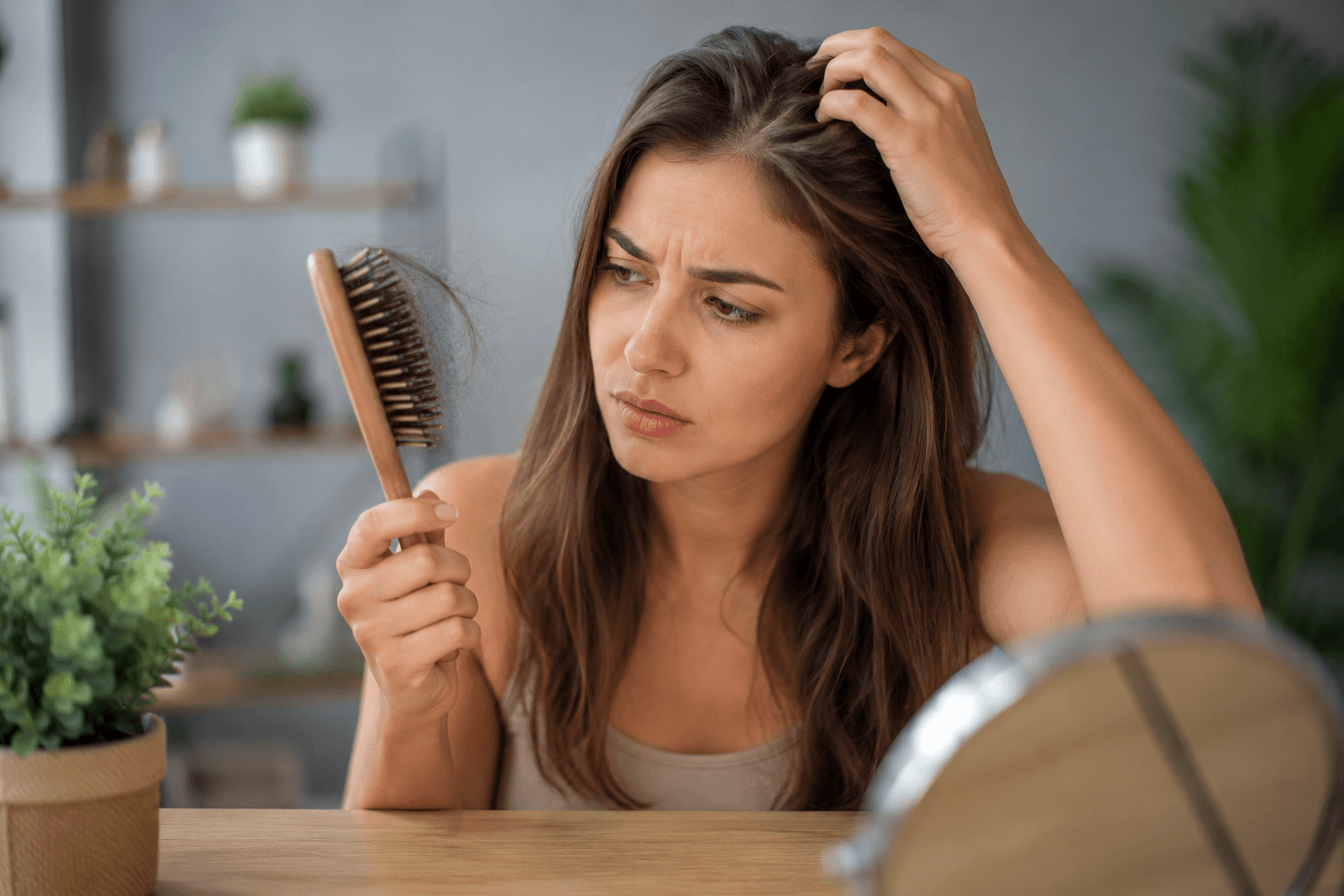
- Sudden, noticeable shedding when brushing or washing hair
- Increased hair on pillows, clothing, or shower drains
- Diffuse thinning across the scalp rather than bald spots
- A decrease in overall hair density, especially around the crown
Unlike genetic hair loss, stress-related shedding does not typically follow a pattern such as receding hairlines or widening parts. It feels more like your hair has lost its fullness all at once.
Can Stress Permanently Damage Hair Follicles?
In most cases, no. Stress alone does not permanently destroy hair follicles. Instead, it temporarily disrupts the growth cycle.
Hair grows in three phases:
- Growth phase
- Transition phase
- Resting and shedding phase
When the body undergoes physical or emotional stress, more hairs shift into the resting phase prematurely. A few months later, shedding begins.
When it is temporary:
- The follicles remain healthy
- Hair regrowth is possible
- Normal cycles resume once stress stabilizes
When it may become prolonged:
- Chronic stress remains unresolved
- Hormonal imbalances develop
- Nutritional deficiencies are present
- Underlying conditions are untreated
If stress continues for an extended period, hair follicles can become less productive over time, leading to slower or incomplete regrowth.
Does Stress-Related Hair Loss Grow Back on Its Own?
Yes, in many cases it does. However, the timeline and quality of regrowth vary from person to person.
Typical recovery timeline:
- Shedding begins 2 to 3 months after a stress event
- Hair loss may continue for several weeks
- Regrowth often starts within 3 to 6 months
- Full recovery may take 6 to 12 months
While this sounds encouraging, natural regrowth is not always ideal.
What many people experience:
- Slower regrowth than expected
- Finer, weaker hair strands
- Uneven density
- Ongoing shedding cycles if stress persists
This is where many individuals begin exploring aesthetic treatments to support and accelerate recovery.
When Should You Seek Treatment for Stress-Related Shedding?
Not every case requires professional treatment, but there are clear signs when intervention can help.
Consider treatment if:
- Shedding lasts longer than 6 months
- Hair density does not return
- Hair feels thinner or weaker than before
- You are experiencing repeated shedding cycles
- Stress is ongoing and difficult to control
Seeking help early can prevent long-term thinning and support healthier regrowth.
For those searching for the best medspa near me in San Diego, working with experienced providers ensures you receive personalized guidance instead of a one-size-fits-all solution.
How Does Advanced Hair Restoration Stimulate Hair Growth?
Advanced hair restoration focuses on reactivating follicles and improving the scalp environment so hair can grow stronger and more consistently.
Rather than waiting passively for hair to return, these treatments actively support the regrowth process.
Key benefits include:
- Increased blood flow to the scalp
- Improved nutrient delivery to follicles
- Stimulation of dormant hair follicles
- Strengthening of existing hair strands
At Serenova Med Spa, advanced hair restoration is designed to address thinning at the source while remaining non-invasive and comfortable.
Is Alma TED Effective for Stress-Induced Thinning?
This technology uses ultrasound-based delivery to infuse growth factors and peptides directly into the scalp without needles.
Why it stands out:
- Completely non-invasive
- No downtime required
- Comfortable and pain-free experience
- Supports thicker, healthier hair growth
For stress-induced hair loss, Alma TED works by revitalizing follicles that have been pushed into a resting state, encouraging them to re-enter the growth phase more efficiently.
Patients often notice:
- Reduced shedding
- Improved hair texture
- Gradual increase in density over time
For those exploring aesthetic treatments in San Diego, this option offers a modern approach without the discomfort of traditional procedures.
What Lifestyle Habits Help Improve Hair Regrowth?
Even with advanced treatments, lifestyle plays a major role in recovery. Hair health reflects what is happening internally, so addressing stress and overall wellness is essential.
Habits that support regrowth:
Stress management
Practices like meditation, exercise, and proper sleep help regulate cortisol levels, which directly impact hair cycles.
Balanced nutrition
Hair requires nutrients such as protein, iron, and vitamins. Deficiencies can slow regrowth significantly.
Scalp care
Gentle cleansing and avoiding harsh styling practices protect fragile hair during recovery.
Consistency
Hair regrowth is gradual. Staying consistent with healthy habits and treatments leads to better long-term results.
Combining lifestyle improvements with advanced hair restoration often produces the most noticeable transformation.
What Is the Best Medspa in San Diego for Stress-Related Hair Loss?
Finding the best medspa in San Diego for hair restoration is about more than just technology. It comes down to expertise, personalization, and a deep understanding of hair biology.
Serenova Med Spa offers a tailored approach to advanced hair restoration, combining innovative treatments like Alma TED with a comprehensive evaluation of each patient’s needs.
What sets a top-tier medspa apart:
- Customized treatment plans
- Access to advanced technologies
- Focus on both internal and external factors
- A commitment to natural-looking results
For those searching for aesthetic services that truly address hair loss rather than masking it, choosing a provider with experience in stress-related shedding makes a meaningful difference.
Why Waiting It Out Isn’t Always the Best Strategy
While stress-related hair loss can resolve on its own, waiting is not always the most effective approach.
Potential downsides of waiting:
- Prolonged thinning
- Loss of hair density that may not fully return
- Increased emotional stress from visible hair changes
Taking proactive steps, whether through lifestyle changes or professional treatments, can significantly improve outcomes.
FAQs
Does stress-related hair loss always grow back naturally?
In many cases, yes, but the regrowth may be slower or less dense than expected. Some individuals benefit from advanced hair restoration to improve results.
How long does it take to see hair regrowth after stress?
Most people begin to see regrowth within 3 to 6 months, though full recovery can take up to a year depending on the severity of the shedding.
Is Alma TED safe for treating thinning hair?
Yes, Alma TED is a non-invasive treatment designed to safely stimulate hair growth without needles or downtime, making it a popular option for many patients.
Can stress cause permanent hair loss?
Stress alone usually does not cause permanent hair loss, but chronic stress can contribute to ongoing thinning if not addressed.
What makes advanced hair restoration different from at-home treatments?
Advanced treatments target the root of the issue by stimulating follicles directly, while at-home solutions often focus on surface-level improvements.
How do I know if I should visit a medspa for hair loss?
If shedding persists for several months, worsens over time, or affects your confidence, consulting a professional can provide clarity and effective solutions.
Hair Today, Stronger Tomorrow
Stress may take a toll on your hair, but it does not have to define your long-term results. While natural regrowth is possible, it is not always predictable or complete. Understanding your options allows you to take control of the process rather than waiting and hoping for the best.
With the right combination of lifestyle support and advanced hair restoration, achieving fuller, healthier hair is well within reach.