

Pellets, Patches, Creams, or Injections: Which HRT Method Actually Fits Your Life?

Updated October 2026
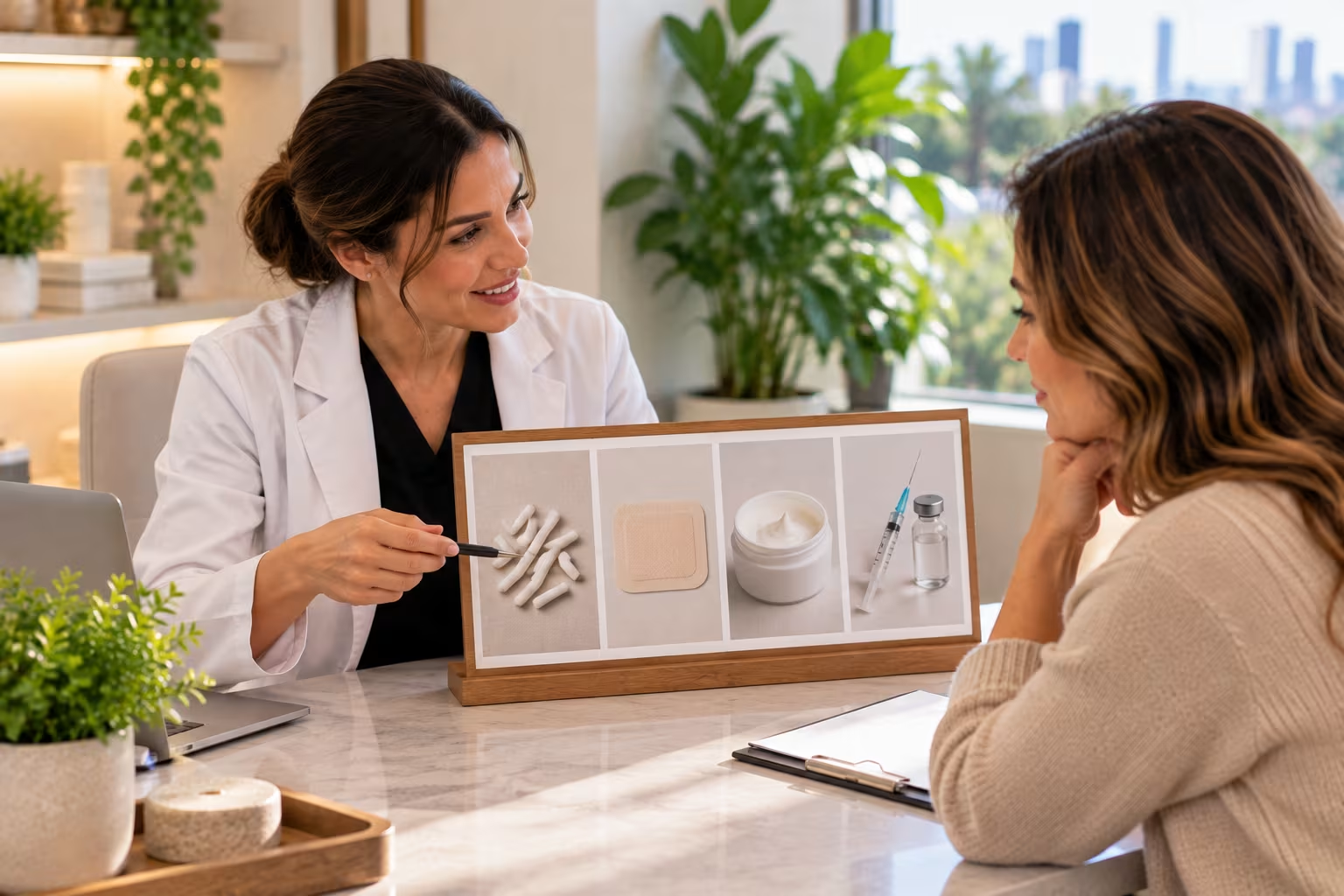
Once you decide to explore hormone replacement therapy, a new question pops up almost immediately: which kind? Friends swear by their patches. A coworker loves her cream. Your brother-in-law does weekly injections. And then someone mentions pellets that last for months.
Every HRT method can work, but not every method works for every person. The right choice depends on your hormone needs, your health history, and, just as importantly, how you actually live day to day. This guide compares the most common HRT delivery methods side by side, explains the pros and cons of each, and helps adults in La Mesa and San Diego figure out which approach may be the best fit.
Why Does the HRT Delivery Method Matter?
The hormone is only part of the equation. How that hormone enters your body affects how steady your levels are, how often you need to think about treatment, what side effects you may notice, and how easy it is to stay consistent.
Two people on the same hormone at similar doses can have very different experiences depending on the method. Consistency is often the difference between feeling "okay" and feeling great.
What Are the Main Types of HRT?
Oral pills
Pills are one of the most familiar options, especially for estrogen and progesterone in women.
Pros:
- Easy to take and widely available
- Simple to adjust or stop
Cons:
- Must be taken daily
- Oral estrogen passes through the liver first, which can affect clotting factors and is one reason providers may prefer non-oral routes for some patients
- Levels can rise and fall throughout the day
Oral micronized progesterone, taken at bedtime, remains a popular choice for women because many find it helps with sleep.
Transdermal patches
Patches deliver hormones through the skin and are typically changed once or twice a week.
Pros:
- Bypass the liver
- More stable than pills for many people
- Low daily effort
Cons:
- Can irritate the skin
- May loosen with sweating, swimming, or humidity, which matters for active San Diegans
- Visible on the skin
Creams and gels
Topical hormones are applied to the skin daily.
Pros:
- Flexible dosing
- Bypass the liver
Cons:
- Must be applied every day, at about the same time
- Risk of transferring hormones to partners, children, or pets through skin contact
- Absorption can vary from person to person
Injections
Injections are most common for testosterone in men, usually given weekly or every other week.
Pros:
- Effective and well-studied for testosterone
- Relatively low cost in many cases
Cons:
- Frequent needles, either at home or in-office
- Hormone levels can peak shortly after the injection and dip before the next one, which some men feel as swings in energy and mood
Hormone pellets
Pellets are tiny cylinders of bioidentical hormones placed just beneath the skin, usually in the upper hip area. They release hormones gradually over several months. Biote is one of the most widely used pellet therapy programs in the country.
Pros:
- Steady, consistent hormone release
- Only a few insertions per year
- No daily routine and no transfer risk
- Custom-dosed based on lab work
Cons:
- Requires a quick in-office procedure
- Dose cannot be removed once placed, so careful lab-based dosing is essential
- Short activity restrictions after insertion
At Serenova Med Spa, hormone therapy is offered through Biote bioidentical pellet therapy, which is available for both men and women.
How Do the HRT Methods Compare at a Glance?
- Pills: Taken daily. Hormone levels may fluctuate throughout the day, with moderate daily effort and no transfer risk.
- Patches: Applied once or twice weekly. They provide fairly steady hormone levels, require low daily effort, and have no transfer risk.
- Creams and Gels: Applied daily. Hormone levels can vary, daily effort is relatively high, and there is a potential transfer risk through skin contact.
- Injections: Typically administered weekly to biweekly. Hormone levels may experience peaks and dips, with moderate ongoing effort and no transfer risk.
- Pellets: Typically placed every three to six months. They provide steady hormone levels, require very little ongoing effort, and have no transfer risk.
Which HRT Method Fits Your Lifestyle?
This is where the decision gets personal. Here is how different people often think about their options.
Busy professionals who cannot add one more task
If your calendar is already packed and your mornings are a sprint, remembering a daily cream or pill can feel like one more thing to drop. Many working professionals in La Mesa and Mission Valley prefer pellets because a quick visit every few months replaces a daily routine. There is nothing to pack for business trips and nothing to forget before an early meeting.
Luxury clients who value discretion and efficiency
For high-end clients who expect a seamless, personalized experience, pellet therapy tends to check the right boxes. It is discreet, there are no visible patches, and the entire process is managed in a private, concierge-style setting with only a handful of appointments per year.
Men who are tired of the injection rollercoaster
Men on weekly testosterone injections sometimes describe feeling great for a few days, then flat before the next dose. Pellets provide a more even release, which many men find translates into steadier energy, mood, and drive. It also eliminates the need for at-home needles.
Women navigating perimenopause and menopause
Women often need a combination of hormones, typically estradiol and sometimes testosterone, with progesterone added for those who have a uterus. Some women do well with patches or creams, while others prefer the consistency of pellets combined with nightly oral progesterone. Symptoms of menopause can vary greatly, so flexibility in planning is important.
Active and outdoorsy San Diegans
If you surf in Pacific Beach, hike Cowles Mountain on weekends, or spend hours at the gym, patches that peel off with sweat or creams that need drying time can be frustrating. Pellets sit beneath the skin and do not interfere with water or workouts once the insertion site has healed.
What Should You Consider Before Choosing an HRT Method?
Before deciding, it helps to think through a few questions with your provider:
- How important is convenience compared to flexibility?
- Do you have close skin contact with children, partners, or pets?
- Have you had side effects with any method before?
- What does your health history suggest about liver or clotting risk?
- How often are you willing to come in for appointments?
Your answers, along with your lab results, will help narrow down the best option. The Cleveland Clinic offers a helpful overview of hormone therapy types if you want to do more reading before your visit.
What Does Starting Pellet Therapy Look Like?
At Serenova Med Spa, the process is straightforward and personal:
- Consultation. Your provider reviews your symptoms, health history, and goals.
- Lab work. Blood tests help determine your hormone levels and overall health.
- Custom plan. Your dose is tailored to your body and your needs.
- Insertion. A quick in-office procedure places the pellets under the skin.
- Follow-up. Labs and check-ins help fine-tune your plan over time.
Hormone therapy often works best alongside other supportive care, such as Biote nutraceuticals, IV therapy, peptide and vitamin injections, or treatments for vaginal dryness and other intimate health concerns.
Frequently Asked Questions
Which HRT method gives the most stable hormone levels?
Pellets and patches tend to provide the most consistent hormone levels. Pellets release hormones steadily for several months, while patches offer fairly stable delivery with weekly or twice-weekly changes.
Can I switch from creams or injections to pellets?
Yes. Many patients switch to pellets after trying other methods. Your provider will review your current treatment and lab work to plan a safe transition.
How long do HRT pellets last?
Pellets typically last about three to four months for women and four to six months for men, depending on metabolism and activity level.
Is one HRT method safer than the others?
Each method has its own benefits and risks. Non-oral options like patches, creams, and pellets bypass the liver, which may be preferred for some patients. Your provider will recommend the safest option based on your health history.
Where can I get HRT in La Mesa?
Serenova Med Spa offers Biote BHRT at 8881 Fletcher Parkway in La Mesa, near Grossmont Center, and at Hazard Center in San Diego.
Choose Your Hormone Adventure Wisely
There is no universal best HRT method, only the one that best fits your body, your health history, and your routine. Pills, patches, creams, injections, and pellets all have their place. For people who want steady results with minimal day-to-day effort, pellet therapy is often worth exploring.
Serenova Med Spa helps patients across La Mesa and San Diego find a hormone plan that feels right for them. Schedule your consultation today, and ask about convenient payment plans.