
What Are the First Signs You May Benefit From Facial Fillers in La Mesa, California?

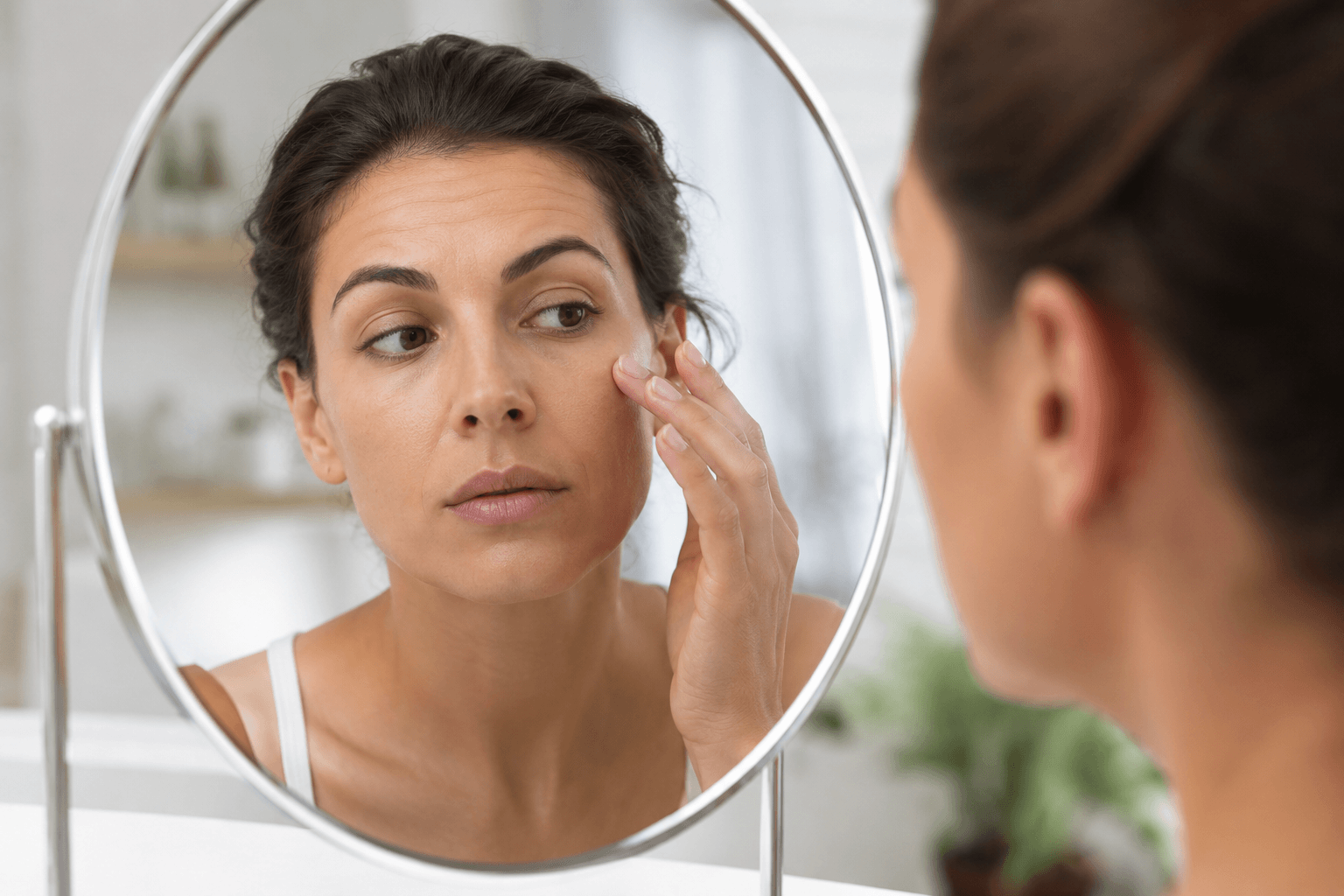
If you have ever looked in the mirror and felt like your face looks a little more tired, hollow, or less defined than it used to, you are not alone. These changes often happen gradually, which is why many people do not immediately connect them to early volume loss or collagen decline.
Facial fillers have become one of the most popular aesthetic treatments for restoring balance, smoothing subtle changes, and enhancing natural features without surgery. But how do you know when it is the right time to consider them?
This guide breaks down the earliest signs that may indicate you could benefit from fillers, what causes these changes, and how to decide when to take the next step. If you are exploring fillers in La Mesa, California, this will help you understand what to look for and what to expect.
Article Updated July 2026.
What Changes Happen First?
The first signs that you may benefit from facial fillers are usually subtle. They often appear before deep wrinkles or major sagging, which is why many people overlook them.
Some of the earliest changes include:
Slight Volume Loss in the Midface
You may notice your cheeks look less full or lifted than before. This can create a flatter appearance and affect the overall contour of your face.
Fine Lines That Do Not Fully Relax
Lines around the mouth or nose may begin to linger even when your face is at rest. These are often early indicators that the skin is losing support beneath the surface.
A Tired or Hollow Look
Even when you are well-rested, your under-eye area might appear darker or slightly sunken. This is one of the most common early concerns patients bring up.
Subtle Changes in Lip Shape
Your lips may feel less defined or slightly thinner, especially along the borders. Lip fillers can help restore balance while keeping a natural look.
These early signs are often where fillers can make the biggest difference with the most natural-looking results.
How Does Collagen Loss Affect Your Face?
Collagen plays a major role in how your skin looks and feels. It provides structure, firmness, and elasticity. Starting in your mid-20s, your body gradually produces less collagen each year.
Over time, this leads to:
Reduced Skin Support
As collagen declines, the skin becomes less firm. This can make facial features appear softer or less defined.
Increased Visibility of Lines
Without strong support underneath, lines and folds become more noticeable, especially around the nose and mouth.
Volume Shifts
It is not just about losing volume. Fat pads in the face can shift downward, contributing to a less lifted appearance.
Changes in Skin Texture
Skin may appear thinner or less smooth, which can make even small lines stand out more.
Which Areas Show Aging First?
Aging does not happen evenly across the face. Some areas tend to show changes earlier than others, making them key targets for injectable fillers.
Under-Eye Area
This area is often one of the first to show volume loss. Hollowness or shadowing can develop, creating a fatigued appearance.
Cheeks
Loss of volume in the cheeks can affect the entire face. It may lead to a flatter profile and contribute to the appearance of nasolabial folds.
Nasolabial Folds
These lines run from the sides of the nose to the corners of the mouth. They can deepen as the cheeks lose support.
Jawline
A less defined jawline is a common concern. Injectable fillers for the jawline can help restore structure and create a more balanced profile.
Lips
Even small changes in lip volume or symmetry can impact overall facial harmony. Lip fillers are often used to enhance shape while maintaining a natural look.
Addressing these areas early can help maintain your features rather than dramatically altering them later.
Can Fillers Prevent a More Aged Appearance?
One of the most common questions is whether fillers are only for correction or if they can also be used preventatively.
The answer is both.
Early Intervention Can Be Subtle
When used at the right time, fillers can address small changes before they become more pronounced. This often results in softer, more natural outcomes.
Maintaining Facial Balance
As your face changes over time, strategic use of fillers can help maintain symmetry and proportion.
Slowing the Visible Effects of Aging
While fillers do not stop aging, they can reduce the visible impact by restoring volume and supporting key areas.
Supporting Other Aesthetic Treatments
Fillers are often combined with other aesthetic services to enhance overall results. A personalized plan can address multiple concerns in a balanced way.
The goal is not to look different, but to look like a refreshed version of yourself.
When Should You Schedule a Consultation?
There is no exact age or timeline for when to consider fillers. The best time is when you start noticing changes that affect how you feel about your appearance.
You may want to schedule a consultation if:
- You feel your face looks more tired than you feel
- Makeup no longer sits the same way on your skin
- You notice early volume loss or changes in contour
- You are curious about options but want a natural approach
During a consultation, a provider will assess your facial structure, discuss your goals, and recommend a plan that aligns with your preferences.
Why Early Awareness Makes a Difference
Many people assume fillers are only for advanced signs of aging, but that is not the case. Understanding the early indicators allows you to make informed decisions about your options.
By recognizing subtle changes early, you can:
- Take a more conservative approach
- Maintain your natural features over time
- Avoid the need for more extensive corrections later
- Feel more confident in your appearance as it evolves
The focus is always on enhancing what is already there, not changing who you are.
FAQs About Fillers in La Mesa, California
How do I know if I need facial fillers or another treatment?
A consultation is the best way to determine this. Some concerns are better addressed with skin treatments, while others benefit from volume restoration. A provider will guide you based on your goals.
Are fillers only for older adults?
No. Many people in their late 20s or 30s explore fillers to address early signs of aging or enhance specific features.
How long do fillers last?
This depends on the type of filler and the area treated. HA filler typically lasts several months to over a year, depending on individual factors.
Will my results look natural?
When performed by an experienced provider, fillers are designed to enhance your features without making you look overdone.
Is there downtime after filler treatments?
Most people return to normal activities shortly after treatment. Some mild swelling or bruising may occur but usually resolves quickly.
A Little Lift, A Lot of Confidence
The first signs of aging are often quiet, but they can still affect how you see yourself. Paying attention to these changes is not about chasing perfection. It is about understanding your options and choosing what feels right for you.
Facial fillers offer a way to refresh your appearance, restore balance, and maintain your natural look over time. Whether you are just starting to notice subtle shifts or exploring your options for the first time, the right approach can make all the difference.
If you are considering fillers in La Mesa, California, starting with a thoughtful consultation is the best way to take that next step with confidence.