

What Actually Works for Hyperpigmentation? A La Mesa Provider Explains

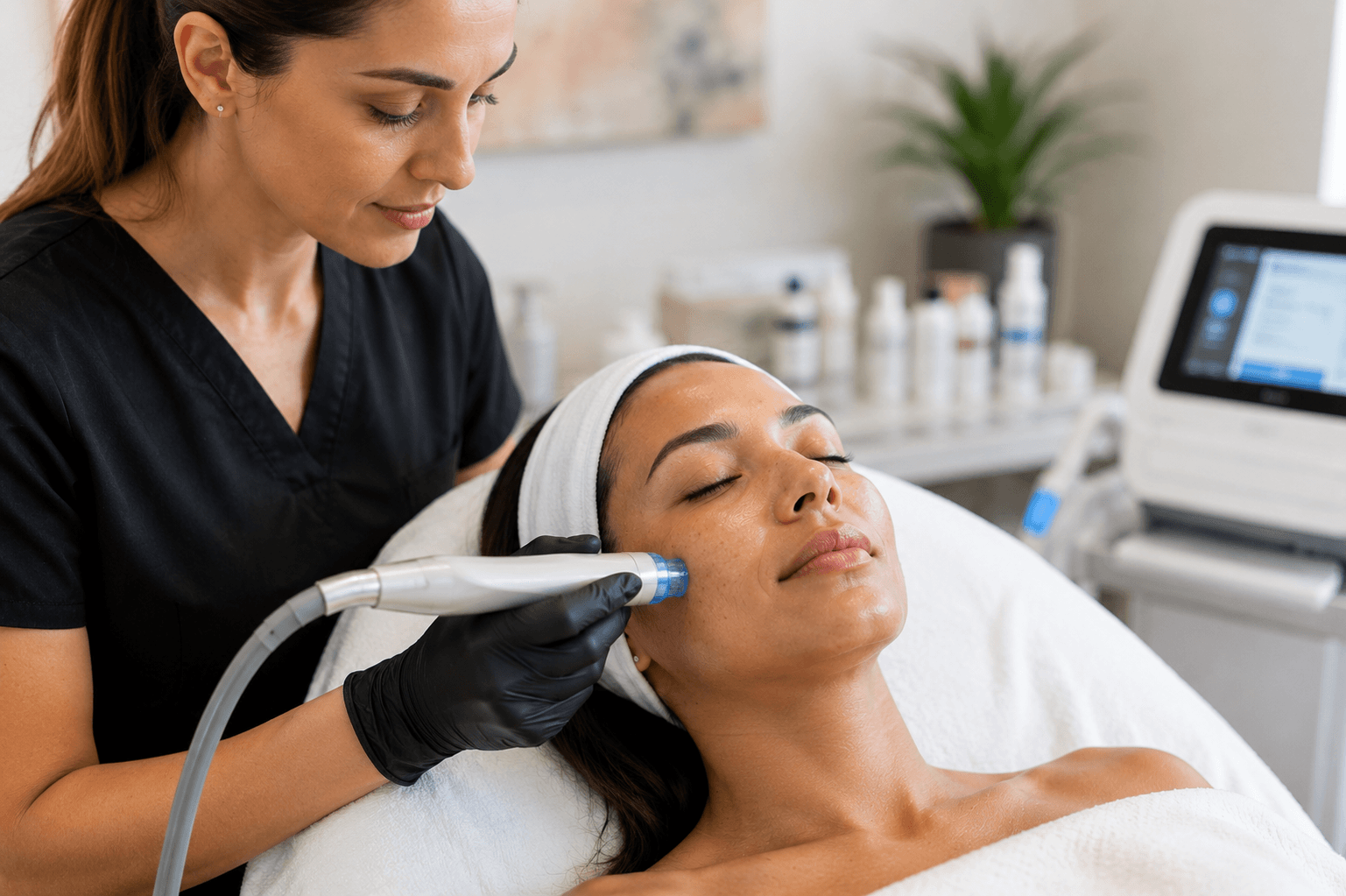
Dark spots, uneven patches, and post-acne discoloration are some of the most stubborn skin concerns to treat, largely because so many products promise results they cannot deliver. Sunscreen and brightening serums play an important supporting role, but for many patients, they simply are not enough to fade discoloration that has already set into the deeper layers of skin. That is where a professional hyperpigmentation treatment plan becomes worth considering.
At Serenova Med Spa in La Mesa, California, patients frequently ask what actually makes a difference for melasma, sun spots, and post-inflammatory discoloration left behind by old breakouts. Here is an honest breakdown.
What Causes Hyperpigmentation?
Hyperpigmentation occurs when the skin produces excess melanin in a localized area, often triggered by:
- Sun exposure over time
- Hormonal changes, including pregnancy or birth control use
- Inflammation from acne or injury
- Certain medications
- Natural aging
Because the causes vary so widely, an effective hyperpigmentation treatment plan usually needs to be tailored to the specific type of discoloration a patient is dealing with rather than treated with a generic approach.
What Treatment Options Actually Help?
Light-Based Technology
One of the most effective tools for treating stubborn discoloration is targeted light-based technology, which works by breaking down excess pigment in the skin so the body can naturally clear it. At our La Mesa location, our dye vl treatment is specifically designed to target pigment and vascular concerns with precision, making it a popular option for patients dealing with sun spots, redness, or uneven tone.
Skin Resurfacing
For patients whose discoloration is tied to textural damage, such as acne scarring combined with dark spots, skin resurfacing can help by encouraging the skin to renew its surface layers. This approach often works well alongside light-based treatments for a more complete result. You can read more about how this works in our article on skin resurfacing.
Professional Skin Analysis
Because hyperpigmentation can stem from several different underlying causes, an accurate diagnosis matters just as much as the treatment itself. Our alma iq skin analysis technology allows providers to assess your skin at a deeper level, helping determine the most effective treatment path rather than guessing based on appearance alone.
Is Hyperpigmentation Treatment a One-Time Fix?
Generally, no. Most patients require a series of sessions spaced several weeks apart to see meaningful fading, and maintenance treatments are often recommended to prevent new discoloration from developing, particularly for melasma, which can be triggered by hormonal changes and sun exposure even after successful treatment.
What Should You Expect During Treatment?
A typical session begins with a skin assessment to confirm the type and depth of pigment being treated. Depending on the technology used, most sessions take between 20 and 30 minutes. Many patients describe the sensation as a warm snapping feeling, and any redness or mild swelling afterward usually resolves within a day or two.
Can Hyperpigmentation Come Back After Treatment?
Yes, particularly if sun protection and skincare habits are not maintained afterward. Daily sunscreen use is one of the most important factors in preserving results long term, regardless of which professional treatment is used to fade existing discoloration.
Combining Hyperpigmentation Treatment With Facials
Many patients pair professional pigment treatments with regular facials to support overall skin health between sessions. A well-designed facial can help maintain hydration and gently support cell turnover, complementing the more targeted work done during pigment-focused visits. Ask your provider about building a combined plan during your consultation.
Who Is a Good Candidate?
Most adults dealing with sun damage, post-acne marks, or age-related discoloration are good candidates for treatment. Patients with active melasma or certain skin tones may require a modified approach or different technology settings, which is why a proper consultation and skin analysis matters before beginning any treatment plan.
Why Choose Serenova Med Spa for Hyperpigmentation Treatment in La Mesa?
Our providers take a diagnostic approach to discoloration rather than applying the same settings to every patient who walks in with dark spots. By combining alma iq skin analysis with targeted technology like dye vl, we are able to build treatment plans suited to your specific skin rather than a generic protocol. Explore our full range of options on our skincare treatments page.
Frequently Asked Questions
How many sessions are needed to fade hyperpigmentation? Most patients need a series of sessions, though the exact number depends on the depth and type of discoloration being treated.
Does hyperpigmentation treatment hurt? Most patients tolerate treatment well, describing the sensation as a warm snap rather than significant pain.
Can hyperpigmentation treatment work on all skin tones? Technology and settings need to be adjusted based on skin tone to ensure safe, effective results, which is why a professional consultation matters.
Will hyperpigmentation come back after treatment? It can, especially without consistent sun protection, though proper aftercare significantly reduces the likelihood of recurrence.
Clearer Skin Starts With the Right Plan
Fading stubborn discoloration takes the right combination of technology, diagnosis, and aftercare, not just another serum on your shelf. If you are ready to explore an effective hyperpigmentation treatment plan for your skin, schedule a consultation with our team at Serenova Med Spa in La Mesa, California.