
What Skin Resurfacing Can Actually Fix (And What It Cannot)

Uneven texture, lingering acne scars, sun damage, and fine lines are some of the most common skin concerns patients bring up during consultations. Serums and at-home devices can help around the edges, but they rarely reach the layer of skin where real texture problems live. That is where skin resurfacing comes in, offering a more direct way to renew the surface of the skin and encourage healthier tissue underneath.
At Serenova Med Spa in La Mesa, California, resurfacing treatments are one of the most requested options for patients who feel like their skin's texture no longer matches how healthy they feel.
What Is Skin Resurfacing?
Skin resurfacing is a broad term for treatments that work on the outer layers of skin to improve tone, texture, and clarity. Rather than masking concerns with topical products, resurfacing encourages the skin to shed damaged surface cells and stimulate new collagen production underneath. The result, over a series of sessions, is smoother, more even looking skin.
At our La Mesa location, resurfacing is most often performed using advanced laser and light-based technology, such as our clearlift skin resurfacing treatment, which is designed to target texture and tone with minimal downtime.
What Skin Concerns Does Resurfacing Address?
Patients typically seek out resurfacing for one or more of the following:
- Acne scarring and textural irregularities
- Sun damage and age spots
- Fine lines and early wrinkles
- Enlarged pores
- Uneven skin tone
- Dull or tired-looking skin
Can Skin Resurfacing Help With Hyperpigmentation?
Yes, resurfacing is one of the more effective ways to address stubborn discoloration that does not respond to topical treatment alone. By encouraging cell turnover, resurfacing can help fade areas of excess pigment over time. For patients whose main concern is discoloration specifically, our team may also recommend combining resurfacing with our hyperpigmentation focused treatments for a more targeted approach.
How Does the Treatment Process Work?
Consultation and Skin Assessment
Not all skin resurfacing treatments are appropriate for every skin type or concern. During your consultation, your provider will evaluate your skin's condition, discuss your history with sun exposure or scarring, and recommend a treatment plan suited to your goals.
The Treatment Itself
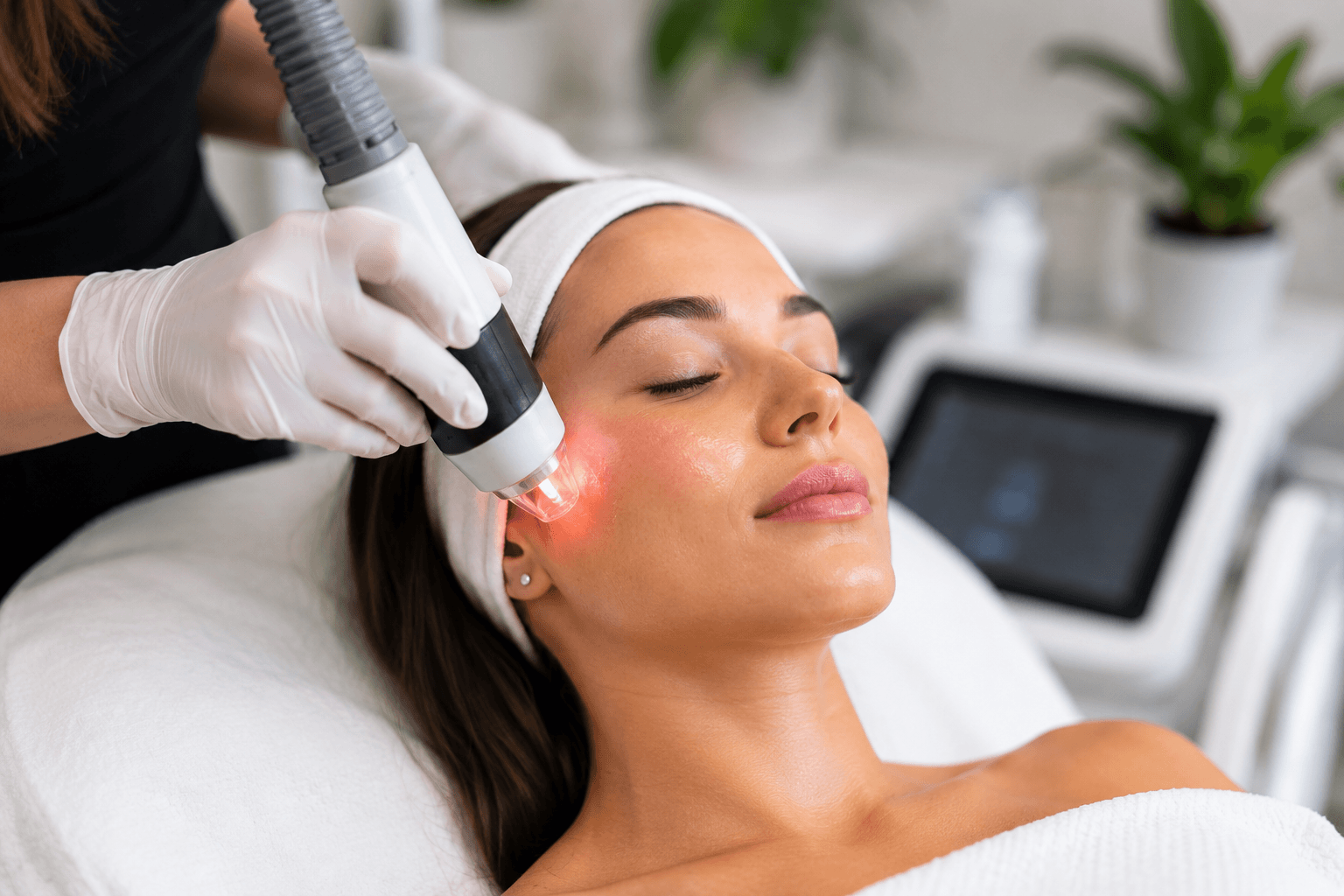
Depending on the technology used, a resurfacing session may involve controlled energy delivered to the skin's surface to trigger renewal. Most sessions take between 20 and 45 minutes, and many patients describe the sensation as warm rather than painful, especially with modern devices designed for comfort.
Recovery
One of the advantages of modern resurfacing technology is significantly reduced downtime compared to older, more aggressive methods. Many patients experience mild redness for a day or two, similar to a light sunburn, and can return to normal activities shortly after treatment.
How Many Sessions Will You Need?
Results depend on the severity of the concern being treated. Mild texture and tone issues may show noticeable improvement after just a few sessions, while deeper scarring or more significant sun damage may require a longer treatment series. Your provider will map out a realistic timeline during your initial visit rather than promising a one-size-fits-all number of sessions.
Skin Resurfacing Versus a Non-Invasive Facelift
It is common for patients to confuse resurfacing with lifting treatments. Resurfacing improves the surface texture and tone of the skin, while a non-invasive facelift approach typically focuses on restoring volume and tightening deeper tissue using tools like filler or radiofrequency-based devices. Many patients actually benefit from combining the two, using resurfacing to improve texture while filler or skin tightening addresses volume loss and laxity. You can read more about combining these approaches in our article on the non-invasive facelift option.
Who Is a Good Candidate for Skin Resurfacing?
Most adults with textural concerns, mild scarring, or sun damage are good candidates. However, certain skin types and active conditions, such as recent sunburn or active acne breakouts, may require your provider to adjust timing or technology used. This is why an in-person alma iq skin analysis consultation, available at our La Mesa location, can be especially helpful in determining the right approach for your unique skin.
Why Choose Serenova Med Spa for Skin Resurfacing in La Mesa?
Our team takes an individualized approach to resurfacing rather than applying the same settings to every patient. Using our alma hybrid skin rejuvenation and clearlift skin resurfacing technologies, we tailor each treatment plan to your specific skin type, tone, and concerns. To explore our full lineup of skin treatments, visit our skincare treatments category page.
Frequently Asked Questions
Is skin resurfacing painful? Most modern resurfacing treatments are well tolerated, with sensations described as warm rather than painful. Numbing options are also available for more sensitive patients.
How long do results from skin resurfacing last? Results can last for months to years depending on ongoing sun protection and skincare habits, though continued aging means most patients benefit from periodic maintenance sessions.
Can skin resurfacing treat acne scars? Yes, resurfacing is commonly used to improve the appearance of acne scarring by encouraging smoother skin texture over time.
Is there downtime after skin resurfacing? Downtime is typically minimal with modern technology, often limited to mild redness for a day or two.
The Bottom Line on Smoother Skin
Renewed texture and tone are within reach without resorting to harsh treatments or long recovery times. If you are ready to explore what skin resurfacing can do for your specific skin concerns, schedule a consultation with our team at Serenova Med Spa in La Mesa, California.